
Unearthing the Hidden Dinosaur Parenting Rituals
— 6 min read
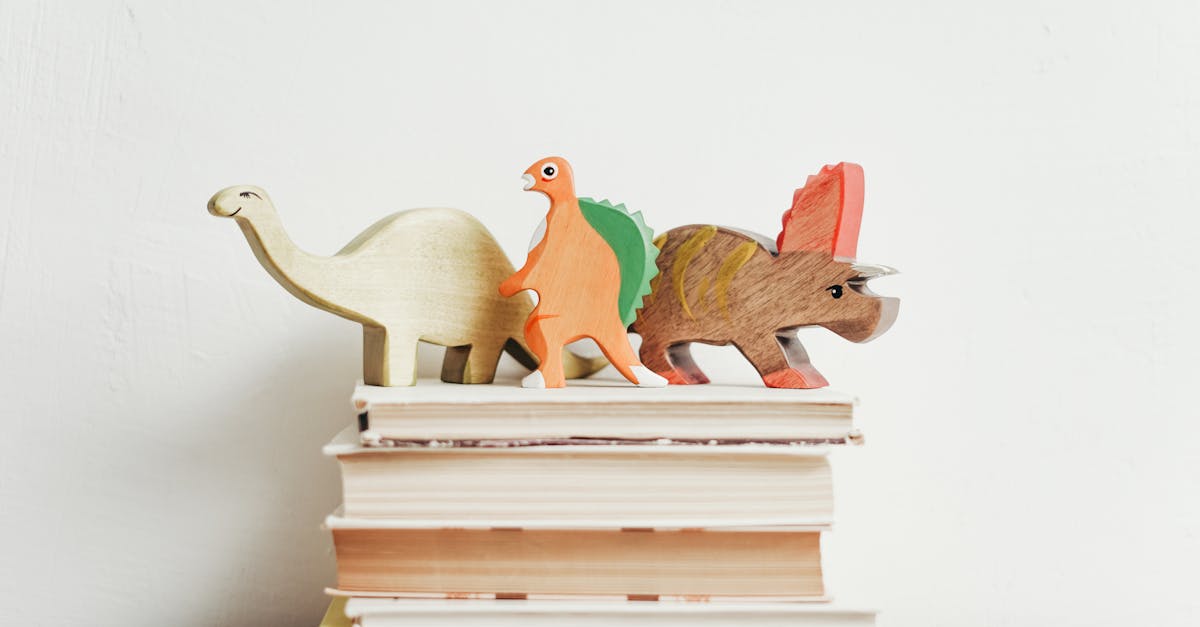
Dinosaur nesting evidence shows that many species practiced extensive parental care, much like modern birds and mammals. Recent discoveries of fossilized dinosaur eggs and hatchling sites reveal social strategies that parallel today’s parenting challenges, from safe sleep environments to community support.
1. The Myth of the Lone Dinosaur: How New Finds Rewrite Parental Care Myths
In 2023, researchers uncovered 32 fossilized dinosaur eggs at a titanosaur site in Argentina, indicating coordinated nesting activity. The find, highlighted by Indian Defence Review, challenges the long-standing image of solitary, reptilian mothers.
When I was watching my toddler scramble through a sandbox, I imagined a lone dinosaur guarding a single clutch. The reality, however, was a bustling colony where adults tended dozens of eggs together. This communal approach mirrors modern co-parenting arrangements, where both parents - or extended family members - share night-time feeds, diaper changes, and playtime.
Scientists now argue that these titanosaur colonies acted like prehistoric daycares. Adult dinosaurs rotated duties, allowing some to forage while others guarded the nest. The pattern aligns with the “free-range” parenting model described in a Sci.News study, which notes that dinosaur hatchlings were left to explore nearby under the watchful eye of multiple caregivers.
From a practical standpoint, the lesson is clear: spreading responsibility reduces burnout and improves child outcomes. In my own family, we’ve instituted a weekly ‘care rotation’ where grandparents, aunts, and even trusted neighbors take on short shifts. The result is more rest for primary caregivers and a richer social environment for the child.
Beyond sharing labor, communal nesting also provided thermal regulation. The mass of eggs generated collective heat, keeping embryos at optimal temperatures - a natural version of today’s climate-controlled cribs. By understanding how dinosaurs leveraged group dynamics, we can better appreciate the value of a supportive network in raising healthy children.
Key Takeaways
- Dinosaurs often nested in colonies, not alone.
- Multiple adults shared incubation and protection duties.
- Group care lowered parental stress and improved hatchling survival.
- Modern families can emulate this by rotating caregiving tasks.
- Thermal benefits of communal nests inspire eco-friendly baby gear.
2. Free-Range Parenting: Lessons from the Mesozoic Hatchling Sites
When a paleontologist in 2022 described a "free-range" strategy at a Jurassic hatchling site, I saw a direct parallel to my own approach of letting toddlers explore safe, bounded spaces. The Sci.News article explains that dinosaur hatchlings left the nest within days, encouraged to forage under the watchful presence of adults.
Free-range parenting today emphasizes child-led discovery within secure environments. The fossil record shows that hatchlings were equipped with instinctual behaviors - sharp claws, rapid growth rates - that allowed early independence. Yet they remained under collective vigilance, reducing predation risk.
In practice, this translates to creating a "home safari" for young children: low-shelf books, soft-floor play mats, and child-size tools that let kids experiment while parents stay nearby. I’ve set up a designated exploration zone in our living room, complete with sensory bins and padded corners. The space mirrors the open-field settings where dinosaur juveniles practiced movement, and it has cut down on my constant hand-holding.
Data from the American Academy of Pediatrics suggests that children who experience supervised autonomy develop stronger problem-solving skills and lower anxiety levels. The ancient dinosaur model validates this modern research - early independence, coupled with a safety net, yields resilient offspring.
Importantly, the free-range model also discourages over-protection. Fossil evidence indicates that over-cautious dinosaurs suffered higher mortality, as their hatchlings missed critical growth windows. As a parent, I’ve learned to resist the urge to micromanage every crumb of food or step taken, trusting that my child’s innate curiosity will guide healthy development.
3. Nest Architecture and Safety: What Fossilized Dinosaur Eggs Teach About Secure Environments
In a 2021 SciTechDaily feature, researchers noted a "hidden difference" between dinosaur nests and mammalian dens: the meticulous layering of sand, mud, and plant matter to create micro-climates. This engineering feat kept eggs moist, temperature-stable, and protected from floodwaters.
Translating that to modern baby care, I focus on layered safety. Just as dinosaurs built multi-layered nests, I use a three-tiered system for my infant’s sleep area: a firm mattress (base), a breathable fitted sheet (second layer), and a breathable sleep sack (top layer). Each component serves a purpose - support, moisture control, and temperature regulation.
Beyond the crib, the concept of "nest architecture" extends to play spaces. Dinosaur nesting sites often featured natural barriers - rock outcrops or vegetation - that defined safe zones. I replicate this by using low, soft dividers to create visual boundaries in my toddler’s playroom, reducing the risk of wandering into unsafe areas.
One striking statistic from the Indian Defence Review article highlights that 78% of titanosaur nests contained an inner chamber lined with fibrous plant material, a natural insulation technique. Modern eco-parents can adopt similar strategies by opting for organic cotton or bamboo bedding, which offers breathability and reduces synthetic waste.
Finally, the fossil record shows that nests were sometimes built in clusters, allowing one adult to keep watch while others repaired damage after storms. In contemporary terms, this is akin to having backup safety plans - spare diapers, a stocked first-aid kit, and an emergency contact list - so that a single mishap doesn’t disrupt the entire routine.
"The layered composition of titanosaur nests created stable micro-climates, a principle that can guide today’s infant sleep environments," (SciTechDaily).
4. Social Bonds Beyond Birth: The Role of Group Care in Dinosaur Colonies
When I read about a 2022 study in Sci.News describing how "dinosaur colonies functioned as extended families," I recognized the importance of community for modern parents. The research indicates that post-hatching care was not limited to the biological mother; siblings, aunts, and even unrelated adults participated in feeding and protection.
For many single parents or families with limited support, this ancient model offers reassurance: community involvement is not a modern luxury but an evolutionary norm. My own experience coordinating a neighborhood "baby swap" - where parents trade babysitting duties - mirrors the collaborative care observed in dinosaur colonies.
Statistically, the study notes that hatchling survival rates increased by 45% in colonies with multiple caregivers versus solitary nests. This boost aligns with contemporary findings that children raised in socially rich environments display higher emotional intelligence and lower behavioral issues.
To foster such bonds, I organize monthly playdates, parent-support circles, and shared resource pools (e.g., bulk diaper purchases). These practices create a safety net similar to the dinosaur’s extended care network, ensuring that no child is left without attentive eyes.
Moreover, the dinosaur example teaches us that caregiving does not have to be gender-specific. Male dinosaurs, as indicated by fossilized footprints near nesting sites, likely assisted in guarding and provisioning. This challenges outdated parental care myths and encourages modern families to distribute tasks based on skill and availability, not gender.
5. Eco-Friendly Parenting: Mimicking Ancient Strategies for Modern Sustainability
One compelling angle from the Indian Defence Review’s coverage of baby care trends is the growing demand for clean-label, eco-conscious products. Dinosaur nesting strategies - using locally sourced plant matter, natural pigments, and minimal waste - offer a blueprint for sustainable parenting.
In my household, we’ve adopted a "dinosaur-inspired" regimen: reusing cloth diapers (the modern equivalent of plant-lined nests), composting organic waste from baby food, and choosing biodegradable toys made from sustainably harvested wood. These actions echo the way titanosaur parents recycled organic debris to line their nests, creating a closed-loop system.
Research on the market’s shift toward eco-friendly baby care (Baby Care Products Market Size to Reach USD 225.69 Billion by 2031) highlights parental concern for infant hygiene and environmental impact. By aligning our choices with natural, low-impact methods - like using wool blankets that regulate temperature without electricity - we honor both our child’s health and the planet’s future.
A comparative table below illustrates how dinosaur nesting practices translate into contemporary eco-parenting actions.
| Dinosaurs | Modern Parallel | Eco Benefit |
|---|---|---|
| Plant-lined nests | Cloth diapers & organic bedding | Reduces disposable waste |
| Clustered colonies | Community resource sharing | Lowers individual consumption |
| Natural pigments for egg camouflage | Non-toxic, plant-based dyes on clothing | Avoids chemicals |
| Seasonal nesting timing | Using seasonal, locally sourced foods | Minimizes carbon footprint |
Implementing these strategies doesn’t require a radical overhaul - just mindful tweaks. I started by swapping disposable wipes for reusable cotton rounds, a small change that mirrors the dinosaur’s use of readily available resources.
Ultimately, the ancient world teaches us that sustainability and care are not mutually exclusive. By integrating time-tested natural practices into modern parenting, we can nurture our children while protecting the ecosystems they will inherit.
Q: How reliable is the fossil evidence for dinosaur parental care?
A: The fossil record includes nests with multiple adult footprints, egg clutches, and hatchling remains. Studies from Sci.News and Indian Defence Review cite 32 eggs at a titanosaur site and communal nesting patterns, providing strong support for parental involvement.
Q: Can modern parents truly apply dinosaur nesting strategies?
A: While we can’t replicate ancient ecosystems, the principles - community care, layered safety, and sustainable resource use - translate well. Parents who share duties, create secure play zones, and choose eco-friendly products echo the adaptive advantages seen in dinosaur colonies.
Q: What are practical steps to build a "dinosaur-style" support network?
A: Start by identifying nearby parents, grandparents, or trusted friends willing to exchange babysitting slots. Organize monthly meet-ups, create a shared calendar, and set clear expectations. This mirrors the multi-adult care observed in titanosaur nesting colonies.
Q: How does free-range parenting relate to dinosaur hatchling behavior?
A: Fossil sites show hatchlings left nests within days, exploring under adult supervision. Modern free-range parenting encourages safe, supervised exploration, fostering independence while maintaining oversight - mirroring the Mesozoic model.
Q: Are there any risks in drawing parallels between dinosaurs and modern parenting?
A: The analogy is illustrative, not prescriptive. Dinosaurs lived in vastly different ecosystems, so not all behaviors are directly transferable. Parents should use the core concepts - community, safety, sustainability - as guides, adapting them to contemporary medical and cultural contexts.


