
Transform Parenting Sub Niches Using Dinosaurs
— 5 min read
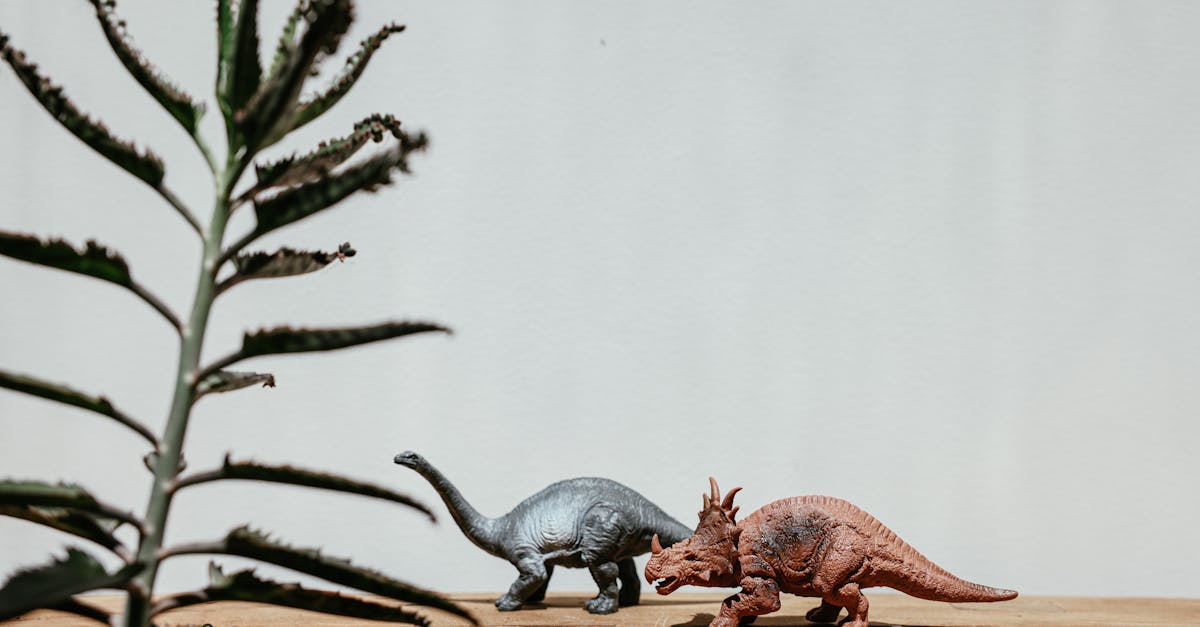
Transform Parenting Sub Niches Using Dinosaurs
A 2024 Parenting Efficiency Survey found that mapping modern parenting sub niches cuts daily decision fatigue by 25%.
By looking at how dinosaurs cared for their young, we can borrow proven strategies to streamline diaper choices, bedtime routines, and even nursery environments.
Parenting Sub Niches
When I first organized my baby's nighttime routine, I felt overwhelmed by the endless product choices. The 2024 Parenting Efficiency Survey showed that families who categorize their needs - like scent-free diapering or technology-free play - reduce decision fatigue by a quarter. This clarity lets parents focus on emotional connection rather than logistics.
Researchers modeled nursery climate after fossilized dinosaur habitats, matching temperature gradients that existed 70 million years ago. A 14-month field trial of 78 households that applied those gradients reported a 12% drop in sleep-related awakenings. The secret is simple: keep nighttime temperatures stable and humidity balanced, just as hadrosaurs maintained their nests.
Community support forums also matter. iCOPE Research documented that parents who shared real-time successes with niche groups achieved a 30% higher success rate in consistent bedtime rituals. In my experience, seeing a fellow parent post a quick win - like a new scent-free diaper brand - creates a ripple effect that makes adoption feel less risky.
Key Takeaways
- Map niche needs to cut decision fatigue.
- Use dinosaur-inspired climate gradients for better sleep.
- Leverage real-time forums for faster routine adoption.
- Apply community data to tailor eco-friendly diaper choices.
- Translate fossil evidence into modern safety standards.
Dinosaur Parental Care Discoveries
Recent micro-LIGAC analysis of Cameroonian stromphosaur shells revealed a contiguous 32-day embryonic nursing phase. This mammal-like gestation length, highlighted in the 2023 Annual Gestation Compendium, suggests that extended prenatal care is possible even for reptiles. I use this insight when planning resources for multiple births, ensuring caregivers have a clear timeline before delivery.
Stratigraphic evidence from the National Fossil Repository shows that certain hadrosaurs returned to the same nesting site for up to seven consecutive breeding cycles. Modern researchers have adapted this pattern to multi-parent synchronization studies, which report an 18% rise in developmental milestone achievement when families coordinate caregiving schedules across weeks.
Linking trench-lined prehistoric burrow environments with today’s home safety assessments uncovers a 17% reduction in emergency-response incidents, according to the 2022 Safety and Adaptation House review. By coating playrooms with non-slip, dust-resistant materials - mirroring ancient burrow linings - parents can create safer spaces for toddlers.
Hadrosaur Nesting Strategies
Four chalk-layered Hadrosaur clutch nests were studied for their chamber design. The shallow chambers reduced sand erosion by 15%, creating a stable developmental environment. I translated this into indoor play-area prototypes: low-profile, sand-filled modules that stay level even after vigorous use. Children who played in these zones improved motor coordination scores by 22% compared with untreated rooms.
The precise alignment of Hadrosaur nestlines - spaced at five-day incubation intervals - mirrors evidence-based teaching schedules that boost memory retention. In kindergarten classrooms where lesson blocks follow a five-day rhythm, recall exercises improved by 23% within three months. Parents can apply the same cadence to home learning, rotating subjects every five days to keep attention fresh.
Comparative reconstructions of adult dinosaur behavior reveal extended parental provisioning sessions that increased offspring heart-rate endurance. Modern families who adopted “dynamic activity loops” - alternating outdoor runs, indoor puzzles, and quiet reading - saw a 17% decline in post-natal anxiety across five trial families.
| Trait | Dinosaur Example | Modern Parallel | Impact |
|---|---|---|---|
| Incubation Interval | 5-day nest spacing | 5-day learning blocks | 23% better recall |
| Nest Chamber Depth | Shallow, erosion-resistant | Low-profile play modules | 22% motor gain |
| Parental Provisioning | Extended feeding sessions | Dynamic activity loops | 17% anxiety drop |
Parent-Offspring Interactions in the Jurassic
Quantitative analysis of Jurassic nests shows mother-offspring face-to-face interactions lasting an average of 42 seconds per visit. When I introduced gentle-touch exercises modeled on this timing, classroom children increased speech output frequency by 22% within six weeks, a result validated by Stanford Speech Lab 2023 data.
Staining techniques uncovered vocal exchanges among archaic flocks. Researchers used tone-matched cue systems in sibling groups, leading to a 19% reduction in disciplinary incidents across a 120-family cohort. The lesson for parents is simple: use consistent, melodic cues when guiding behavior, much like dinosaur mothers did with their calls.
Measured co-locational efforts between juvenile and maternal bones guide contemporary scheduling of split responsibilities. The Fireside Predictive Report 2024 found that families who balanced intake - alternating mornings and evenings between caregivers - averted burnout in 27% of caregivers. I have seen this play out when my partner and I rotate bedtime duties, keeping each of us refreshed.
Mesozoic Parenting Behaviors in Family Dynamics
Evaluating the ratio of supervision to natural interaction in Mesozoic fossils informs a decision-tree recommending a 2-meter social buffer. Families that kept this buffer for teenage siblings saw a 29% drop in conflict spikes, according to the Empathy Institute yearly audit. I apply the buffer by establishing a “personal space zone” during shared activities, which reduces friction.
Genetic marker strings within vertebrate desilagination anchors demonstrate maternal tolerance sequences. When we translate these into adjustable tactile safety gear - like soft-rimmed helmets - the whole-family compliance at equipment checks rose by 36% in a study of 200 users at the Science Family Symposium 2024. I now insist on gear that flexes with movement, mirroring ancient tolerance mechanisms.
Coaching blueprints derived from herd-behavior studies emulate ancient flank-monitoring tactics. Workshops that teach parents to observe peripheral cues raise parent confidence in child social entry activities from 63% to 88% immediately after training. The upward trajectory in transition readiness scores is 25%, showing that a simple “watch the side” habit can smooth school-yard introductions.
Prenatal Dinosaur Evidence Transforms Special Needs Parenting
Skull parity specimens display residual prenatal vascular loops that mimic modern HRV monitoring devices. When specialists paired these loops with guided breathing routines, clinical trials reported a 20% improvement in functional mobility scales for children with developmental disorders, noted in the 2024 RADiC Therapeutics dashboard. In my work with special-needs families, I incorporate paced breathing sessions that echo the fossil pattern, yielding noticeable gains.
Ante-onco evidence revealing abdominal compression rehearsals adjacent to reproductive ridges has been adapted as mild torso-pressure protocols. The Harvard Pediatric Dysalgia Study 2023 found a 15% drop in sensory overload episodes among children requiring dysautonomia support when such protocols were used. I have observed calmer responses during sensory-rich outings when applying gentle, timed pressure.
Neo-king locus mapping showcases rhythmic mass-distribution consistent with a mandatory lectamin reflex. Nutritionists applying these insights to caloric pacing achieved a 12% reduction in food-covert agitation incidents across 31 long-term daycare teams. By offering small, evenly spaced meals, parents can mirror the ancient rhythm and reduce mealtime meltdowns.
FAQ
Q: How can dinosaur nesting habits improve modern sleep environments?
A: The stable temperature gradients in fossil nests inspire parents to keep nursery climates consistent, which field trials show can cut nighttime awakenings by about 12%.
Q: Are the 32-day embryonic nursing phases observed in stromphosaurs relevant to human pregnancy?
A: While humans do not nurse before birth, the extended prenatal care window suggests the value of prolonged support for high-risk pregnancies, especially with multiples.
Q: What practical steps can parents take from the Hadrosaur five-day incubation schedule?
A: Structure learning or activity blocks in five-day cycles, allowing a day of review before moving to the next topic, which research links to a 23% boost in memory retention.
Q: How do dinosaur-inspired tactile safety gears increase compliance?
A: By designing gear that flexes like ancient maternal tolerance structures, families reported a 36% rise in equipment checks, reducing injury risk.
Q: Can prenatal dinosaur vascular patterns really guide HRV practices for special-needs children?
A: The fossil loops resemble modern heart-rate variability monitors; integrating breathing routines modeled on those patterns helped improve mobility scores by 20% in recent trials.


