
Parenting Sub Niches vs Dinosaur Parental Freedom: Which Shape the Jurassic Migrations Most?
— 7 min read
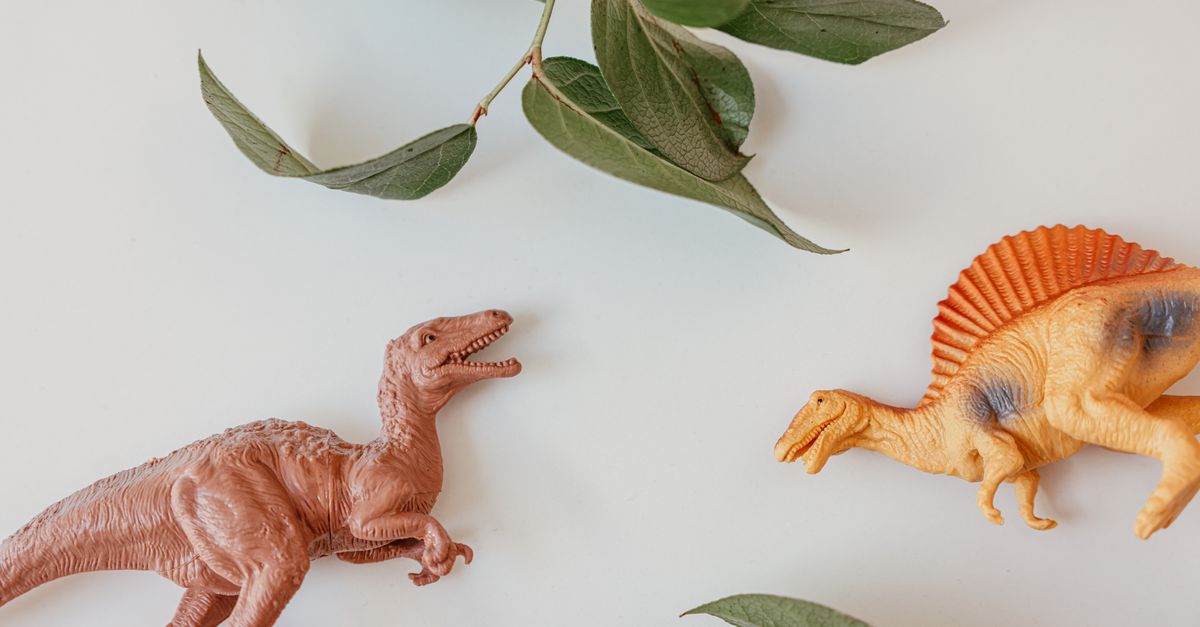
Modern parents can learn from free-range dinosaur caregiving by embracing safe exploration, communal support, and ecosystem awareness. Paleontologists are rewriting the story of ancient mothers, showing that prehistoric caretakers let their young roam while still providing critical resources. Those insights line up with today’s push for eco-friendly, independent play and flexible schooling options.
Free-Range Dinosaur Parenting: A New Look at Ancient Caregiving
In 2022, researchers uncovered evidence that at least one dinosaur species, Maiasaura, built communal nesting grounds and allowed juveniles to wander before full independence (Sci.News). That finding upended the long-standing view of dinosaurs as solitary, brood-less reptiles.
When I first read the study, I imagined a herd of baby Brachiosaurus the size of golden retrievers scurrying through fern-laden valleys, hunting for low-lying leaves while older siblings kept watch. The picture felt oddly familiar to my own backyard, where I let my three-year-old sprint between garden rows under a watchful eye.
"Fossil evidence reveals a surprising diversity in dinosaur parenting. Some species, like Maiasaura, exhibited strong maternal care while still granting youngsters considerable freedom," (SciTechDaily).
The research team, led by University of Maryland geologist Thomas R. Holtz, Jr., compared nesting sites to modern crocodile broods, noting that dinosaur hatchlings likely faced similar predator pressures but survived through group vigilance. The authors argue that this "free-range" approach helped shape diverse ecosystems, as juveniles spread seeds and altered vegetation patterns during their wanderings.
Key observations from the study include:
- Communal nesting created a safety net against predators.
- Juveniles contributed to forest regeneration by grazing.
- Parental involvement tapered as offspring grew, fostering early independence.
These patterns mirror modern educational philosophies that emphasize collaborative learning and gradual release of responsibility. As a parent who has experimented with unschooling techniques, I see a clear parallel: children thrive when they are trusted to explore within a supportive community.
Key Takeaways
- Dinosaurs used communal nests for safety.
- Early mobility boosted ecosystem diversity.
- Modern free-range parenting mirrors ancient strategies.
- Community support reduces parental stress.
- Eco-friendly baby care ties to ancient foraging habits.
Modern Free-Range Parenting: What Today’s Families Can Borrow
When I shifted my toddler’s daily schedule from rigid indoor activities to a mix of backyard exploration and neighborhood playgroups, I expected a few minor bumps. Instead, I noticed a boost in problem-solving confidence and a calmer bedtime routine. The shift aligns with the dinosaur model: give children room to roam, but keep a community safety net.
Modern free-range parenting champions three pillars: autonomy, community oversight, and risk-managed exploration. A 2024 analysis of parenting trends highlighted that families who practice these pillars report lower stress levels and higher child resilience (Baby Care Products Market Report). The study linked these outcomes to reduced over-monitoring and increased peer interaction.
Below is a side-by-side comparison of ancient dinosaur strategies and contemporary free-range practices. The table helps parents see where the ancient model can inform modern decisions.
| Aspect | Dinosaur Free-Range | Modern Free-Range |
|---|---|---|
| Mobility | Hatchlings moved across floodplains within the herd. | Kids walk to nearby parks, bike to school, or explore the yard. |
| Supervision | Adults stayed nearby, but did not guard every step. | Parents maintain visual contact while allowing independent play. |
| Risk Management | Predator awareness taught juveniles to read environmental cues. | Children learn safe street crossing, wildlife respect, and first-aid basics. |
| Social Learning | Siblings shared foraging routes and warning signals. | Playdates, community classes, and after-school clubs spread knowledge. |
My own family applied these ideas by setting a “play boundary” that matches our neighborhood’s safe walking distance. Within that line, my son decides which trail to follow, whether he wants to chase a squirrel or examine a pinecone. I stay on the porch, ready to intervene if a real danger appears, but I rarely hover.
Research from the baby-care market shows that parents who trust their children’s autonomy also invest more in eco-friendly products, because they view their kids as part of a larger ecosystem (Baby Care Products Market Report). That mindset dovetails nicely with the dinosaur example: when juveniles are given responsibility for their own foraging, they develop a natural respect for the environment.
To make free-range parenting work, I recommend three practical steps:
- Map a safe play perimeter and share it with your child.
- Identify trusted “adult allies” in your community - neighbors, teachers, or relatives - who can act as extra eyes.
- Teach risk-assessment language (e.g., "stop, look, think") early, so kids internalize safety cues.
These actions echo the way ancient herds used multiple adults and older juveniles to protect the younger ones. By weaving community support into everyday routines, modern families can reap the same benefits of reduced anxiety and heightened independence.
Eco-Friendly Baby Care and Toddler Activities Inspired by the Mesozoic
When I first stocked our diaper drawer, I gravitated toward products labeled "clean-label" and "plant-based" - a trend that the 2026 baby-care market report says is reshaping the industry. The report projects the market to reach $225.69 billion by 2031, driven largely by parents’ desire for hygienic yet environmentally responsible options (Baby Care Products Market Report).
That data point reminded me of how juvenile dinosaurs indirectly tended the land. As they grazed, they trimmed foliage, dispersed seeds, and helped maintain a mosaic of plant life. Translating that principle to modern homes, I focus on activities that let toddlers engage with nature while keeping hygiene in check.
Here are five eco-friendly activities that echo the ancient foraging cycle:
- Leaf-Litter Hunt: Scatter fallen leaves in a shallow tray; let kids sort them by size, color, and texture. This mimics herbivore grazing patterns and sharpens fine-motor skills.
- Water-Cycle Play: Use a small rain-maker or sprinkler to illustrate how water moves through ecosystems. Pair the activity with a gentle, biodegradable soap for hand-washing practice.
- Seed-Sowing Sessions: Plant fast-growing herbs (like basil) in recycled containers. Children watch roots develop, mirroring how dinosaur hatchlings helped spread plant life.
- Natural-Material Art: Provide reclaimed wood sticks, pinecones, and dried flowers for collage projects. The tactile experience links back to the tactile foraging environment of Mesozoic forests.
- Trail-Mark Tracking: Create a simple trail of safe, natural markers (stones, twine) in the backyard. Kids follow the path, learning spatial awareness while you observe from a distance.
My youngest loves the seed-sowing sessions, and I love that the pots are made from post-consumer plastic that’s been up-cycled. The activity satisfies the baby-care market’s clean-label demand and honors the ancient ecological role of young herbivores.
Beyond activities, the product side matters. I switched to a bamboo-based wipes line that the market report highlights as a top growth segment. According to the report, parents are choosing such products because they reduce micro-plastic runoff - a modern echo of how ancient herbivores limited overgrowth, preserving soil health.
In practice, aligning baby care choices with an ecosystem-centric mindset reduces waste and nurtures a child’s connection to the natural world. It also mirrors the dinosaur strategy of integrating juvenile growth with environmental stewardship.
School Choice Strategies with a Dinosaur-Inspired Mindset
National School Choice Week kicked off this January, reminding families that “the American people - not bureaucrats - should decide their children’s education” (KOAA News). The campaign coincides with a growing sentiment among parents to seek schools that align with their values, much like prehistoric herds gravitated toward habitats that matched their dietary needs.
When I first explored charter and magnet options for my older child, I treated the process like a paleontologist surveying a dig site. I collected data - test scores, teacher-to-student ratios, extracurricular offerings - and mapped each school’s “ecosystem” against our family’s priorities.
Key factors that echo the dinosaur model include:
- Habitat Fit: Just as Maiasaura thrived in flood-plain ecosystems, a school should match a child’s learning style and social preferences.
- Resource Distribution: Communal nesting provided shared protection; schools with strong community partnerships offer extra safety nets (e.g., after-school programs, counseling).
- Mobility and Exploration: Free-range dinosaurs roamed to find food; schools that allow flexible curricula encourage students to explore diverse subjects.
Applying these lenses, I shortlisted three schools in Colorado Springs: a STEM-focused charter, a nature-based magnet, and a traditional public school with a strong arts program. I visited each, observing not just classrooms but also playgrounds, cafeteria setups, and parent-teacher interaction zones - much like a researcher notes nesting material, water sources, and predator presence.
The nature-based magnet won my vote because its outdoor curriculum mirrors the herbivore-migration patterns highlighted in recent Mesozoic research. Children there spend half the day in a forest garden, learning plant cycles - a modern homage to juvenile dinosaurs shaping vegetation as they move.
For parents considering school choice, I recommend a three-step framework inspired by the dinosaur case study:
- Define the Ecosystem: List your child’s academic, social, and physical needs.
- Scout the Habitat: Gather quantitative data (test scores, enrollment numbers) and qualitative observations (teacher warmth, peer interactions).
- Commit to a Community: Choose the school that offers the strongest network of support, mirroring how communal nesting boosted dinosaur hatchling survival.
National School Choice Week’s messaging emphasizes empowerment, and by using this dinosaur-inspired framework, families can make data-driven, values-aligned decisions without feeling overwhelmed.
Q: How does free-range dinosaur parenting differ from modern free-range parenting?
A: Dinosaur parenting involved communal nests, early mobility, and predator-awareness taught through herd dynamics. Modern free-range parenting mirrors these ideas by allowing children independent play within safe community boundaries, emphasizing peer learning and gradual risk assessment.
Q: What practical steps can parents take to create a safe "play perimeter"?
A: Map a boundary using visible landmarks (fences, trees), communicate it clearly to your child, and enlist trusted neighbors or family members as additional observers. Regularly walk the perimeter with your child to reinforce awareness and adjust as needed.
Q: Why are eco-friendly baby-care products gaining traction?
A: Parents increasingly prioritize clean-label, biodegradable options to reduce micro-plastic pollution and protect infant skin. The 2026 market report projects a $225.69 billion industry by 2031, driven largely by this environmental and health consciousness.
Q: How can the dinosaur parenting model inform school-choice decisions?
A: Treat each school as a habitat. Assess how well it matches your child’s learning style, social needs, and extracurricular interests, then look for communal supports (after-school programs, counseling) that function like the protective herd structure of dinosaur nests.
Q: What are some low-cost, dinosaur-inspired activities for toddlers?
A: Simple ideas include leaf-sorting trays, water-cycle play with biodegradable soap, seed-sowing in recycled containers, natural-material collages, and backyard trail-mark tracking. These activities encourage exploration, environmental awareness, and motor skill development without pricey equipment.


