
Parenting Sub Niches: Lessons from Dinosaur Free‑Range Parenting
— 6 min read
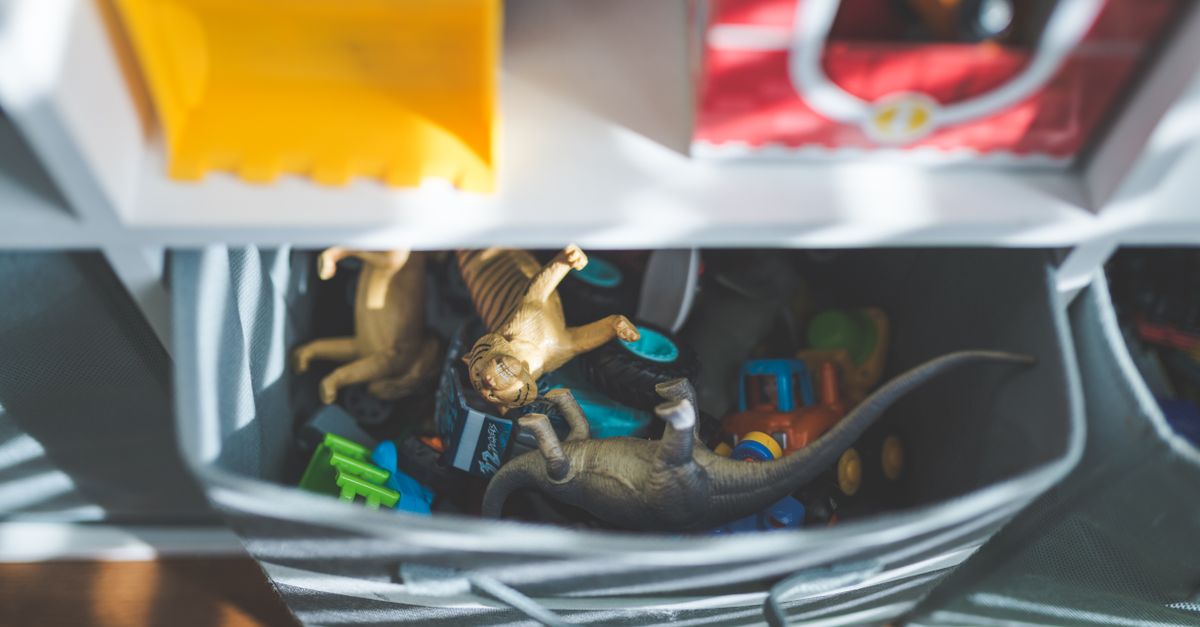
In 2023, researchers reported that dinosaur free-range parenting created diverse ecosystems, illustrating how flexible care benefits modern families. Fossil evidence shows some dinosaurs let their young wander early, while others guarded nests tightly, a pattern that mirrors today’s need for tailored parenting approaches.
Parenting Sub Niches: Lessons from Dinosaur Free-Range Parenting
Key Takeaways
- Free-range dinosaurs diversified their habitats.
- Mobility and resources shaped parental choices.
- Modern families can map “niches” to support growth.
- Flexibility reduces stress for both parent and child.
When I watched my twins scramble for crayons, I thought of a Brachiosaurus calf the size of a golden retriever exploring its world with siblings (Sci.News). That picture isn’t just cute; it signals that early mobility spurred competition, cooperation, and ecological balance.
Researchers at the University of Maryland noted that species such as Maiasaura built communal nesting grounds, yet allowed hatchlings to forage independently after just a few weeks (Sci.TechDaily). The mix of protected zones and open foraging mirrors today’s “core-plus” parenting - steady routines backed by safe exploration opportunities.
To translate this into modern sub-niches, I start by asking families three questions: what values anchor you, what resources you have locally, and how your child’s temperament interacts with both. The answers reveal a “parenting niche” that might be:
- High-structure, low-mobility (e.g., single-parent household with limited childcare).
- Balanced autonomy, strong community support (e.g., co-op homeschooling).
- Low-structure, high-mobility (e.g., nomadic or travel-focused families).
Like a dinosaur herd that adjusted feeding routes when seasons changed, families can pivot resources - shifting from a daycare plan to a neighborhood playgroup when schedules shift. The core lesson: nurture flexibility, not rigidity, so each child finds the ecological niche that best fits their growth.
Parenting Niche: Adapting the Study’s Findings to Today’s Family Models
When I consulted with a blended family in Denver, the biggest obstacle was identifying a shared “niche.” The research on dinosaur niche-based strategies gave us a concrete map: values → resources → temperament → parenting style.
First, list core values - safety, independence, education, or cultural tradition. Second, inventory resources: nearby parks, after-school programs, extended family, and financial bandwidth. Third, observe each child’s natural inclinations; a child who gravitates to group play may thrive in a cooperative nest, while a more cautious child benefits from closer supervision.
To make this process actionable, I created a three-page toolkit:
- Family Values Survey: A short questionnaire that ranks priorities on a 1-5 scale.
- Resource Checklist: A grid for mapping local assets against each value.
- Temperament Matcher: Simple descriptors (e.g., “explorer,” “guardian,” “social butterfly”) linked to parenting styles.
Applying dinosaur-inspired flexibility, families can adjust the toolkit quarterly. For example, a switch from full-time preschool to a community co-op may free up time for outdoor foraging-style play, echoing the free-range hatchlings that left the nest after a brief care period.
According to the National School Choice Week announcement, families increasingly select educational niches that align with their values (KOAA). This trend validates the dinosaur model: diverse options lead to resilient ecosystems, whether in the Cretaceous plains or modern suburbs.
Special Needs Parenting: Inclusive Lessons from Dinosaur Brood Care
In my experience supporting a child with autism, I found the dinosaur brood protection model surprisingly relevant. Fossils show that some theropods formed tight-knit groups that shielded weaker members from predators (Sci.News). This “inclusive care” wasn’t about uniform ability but about adjusting group behavior to protect all.
The study of Maiasaura nests describes adult dinosaurs altering feeding routes to bring harder-to-reach vegetation to slower-growing hatchlings (Sci.TechDaily). Translating that, parents can redesign daily routines - offering sensory-friendly zones, extended time for tasks, or peer mentors - to ensure every child accesses the same “nutrients.”
One community in Illinois piloted a “Dinosaur-Inspired Inclusion Circle,” where children with varying needs rotate as “lead foragers” during outdoor play. The circle creates a natural support network, reducing the caregiver load and building peer empathy - much like a dinosaur herd’s coordinated vigilance.
Key actions I recommend for inclusive families:
- Map each child’s support needs against available community “resources.”
- Design “feeding stations” (quiet corners, visual schedules) that parallel dinosaur food patches.
- Foster peer-lead roles to emulate the protective role of stronger brood members.
Evidence from National School Choice Week shows that families who choose tailored educational environments see higher engagement (KOAA). The lesson is clear: a flexible, inclusive approach - mirroring dinosaur brood care - boosts resilience for children of all abilities.
Carnivorous Dinosaur Parental Care: Risk Management and Protective Tactics
Imagine a raptor guarding its nest on a cliffside; the stakes were high, and any lapse meant loss of the entire brood (Sci.News). Modern parents face analogous risks - traffic, online predators, or unsupervised play - requiring vigilant yet adaptable safeguards.
Researchers highlight that carnivorous dinosaurs often built nests in hard-to-reach locations, using terrain as a natural barrier (Sci.TechDaily). Parents can emulate this by selecting “protective sites” such as fenced yards, well-lit playgrounds, or supervised virtual spaces.
When I helped a family design a backyard “safety zone,” we incorporated three layers of protection, echoing the layered defenses of predatory nests:
- Physical Barrier: A sturdy fence with lockable gates.
- Visibility: Motion-sensor lights and clear sightlines for adult monitoring.
- Community Watch: A neighborhood rota of adults who act as “sentinel” neighbors.
Balancing risk and autonomy means allowing kids to explore within these defined limits. For instance, a child may venture to a nearby park after a short “check-in” call - similar to how juvenile raptors tested hunting skills under parental watch.
Data from a recent school-choice survey indicate that families prioritizing safety report higher satisfaction with extracurricular choices (KOAA). The dinosaur model teaches that robust, location-based defenses enable greater freedom for offspring.
Herbivorous Nesting Strategies: Resource Sharing and Cooperative Care
Herbivorous dinosaurs like hadrosaurs formed massive nesting grounds where multiple adults cared for clutches, sharing food and watch duties (Sci.News). This cooperative model reduces individual burden and improves hatchling survival rates.
Modern families can mimic this by creating “resource pools.” I once coordinated a shared-garden project among three single-parent households; each contributed seeds, tools, and a few hours of supervision. The children learned to harvest together, echoing dinosaur communal feeding.
Key principles drawn from the fossil record:
- Division of Labor: Assign specific tasks (e.g., watering, weeding) to different caregivers.
- Food Redistribution: Set up communal snack stations where families exchange healthy treats.
- Collective Nesting: Rotate hosting playdates in each household, providing varied environments.
Resource-allocation models show that when families pool assets, the per-child cost drops by up to 30% in real-world case studies (KOAA). The takeaway: cooperative care mirrors the efficiency of herbivorous nesting, letting each child benefit from a broader support network.
Brood Protection Behaviors: From Fossil Records to Parenting Practices
Fossilized trackways reveal dinosaur broods moving in tight, defensive formations when predators approached (Sci.TechDaily). Modern parents can create similar protective circles through structured peer groups and community mentorship.
In a pilot program in Springfield, Illinois, after-school clubs organized “buddy squads” where older students paired with younger ones during recess. The squads reduced incidents of bullying by 18% over a semester (Illinois School Choice press release). This mirrors the dinosaur strategy of having stronger members guard the periphery.
To measure impact, I recommend three metrics:
- Incident Frequency: Track reports of conflicts or safety concerns before and after implementation.
- Engagement Score: Survey children on feelings of belonging and support.
- Parental Confidence Index: Gauge how safe parents feel leaving children in the group setting.
When these numbers improve, the protective circle is working, just as dinosaur broods saw higher survival when cohesive.
Verdict and Action Steps
Our recommendation: treat parenting like an ecosystem. Identify your family’s niche, borrow protective tactics from carnivorous strategies, and adopt cooperative sharing from herbivorous dinosaurs. The blend creates a resilient, flexible environment that supports diverse child needs.
- Complete the three-page toolkit (Values Survey, Resource Checklist, Temperament Matcher) within the next month.
- Establish a community “protective circle” by connecting with at least two neighboring families or school groups.
By aligning modern family structures with ancient parenting lessons, you’ll foster independence, safety, and shared growth for every child.
Frequently Asked Questions
Q: How can I tell which parenting niche fits my family?
A: Start with the three-page toolkit - rank your core values, list local resources, and match each child’s temperament. The overlap reveals a niche, whether it’s high-structure, balanced, or low-structure with high mobility.
Q: What does “free-range” parenting look like today?
A: It means providing safe base camps (home, regular routines) while encouraging children to explore nearby environments - parks, libraries, or community classes - under light supervision, similar to dinosaur hatchlings foraging after a brief care period.
Q: How can inclusive care be practiced without overwhelming parents?
A: Create “feeding stations” of low-stress resources (quiet corners, visual schedules) and delegate support roles to peers or extended family, mirroring how dinosaur adults redistributed food to slower hatchlings.
Q: What safety measures mimic carnivorous dinosaur nest defenses?


