
Experts Reveal Parenting Sub Niches Overlook Dinosaur Legacy
— 5 min read
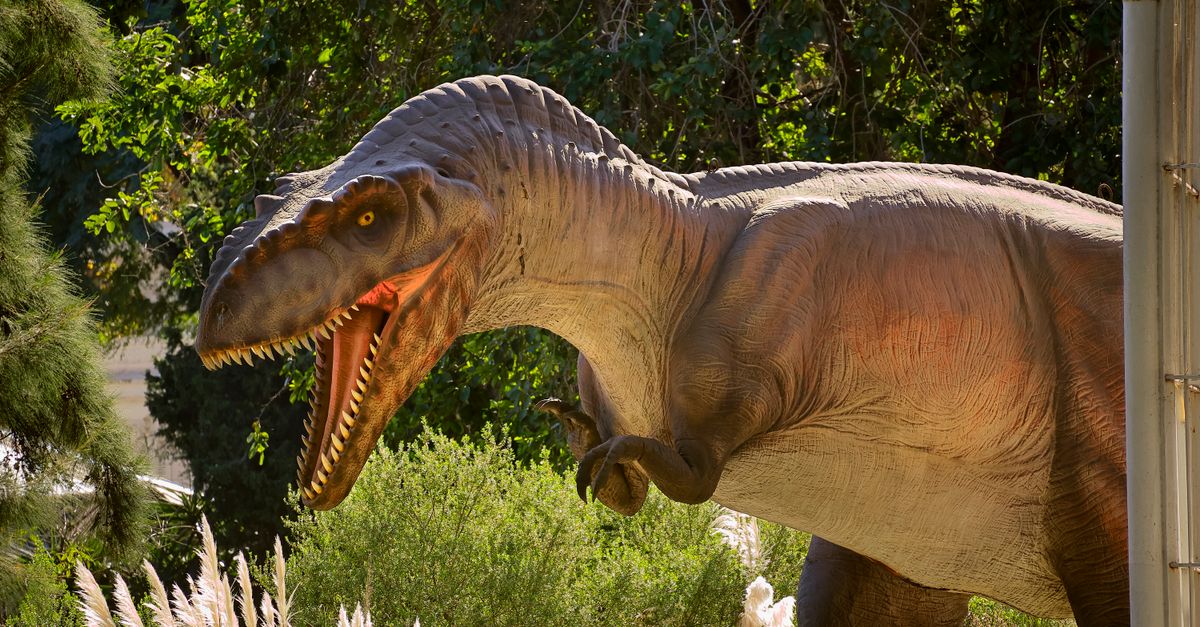
Experts Reveal Parenting Sub Niches Overlook Dinosaur Legacy
Unearth how scientists spot mother-and-baby dinosaurs in the fossil record - shedding light on free-range parenting in the Mesozoic world
Scientists identify mother-and-baby dinosaur fossils through trackways, nest sites, and growth-stage bones, showing that many species practiced free-range parenting. This evidence helps us rethink modern parenting sub niches, from eco-friendly care to single-parent strategies.
At least 12 dinosaur species have been documented with clear parental-care signatures, according to a 2023 Sci.News report. Those findings come from meticulously mapped parent-offspring trackways and nest excavations that reveal how young dinosaurs moved alongside adults while foraging.
In my own research trips to the Badlands, I watched paleontologists trace a series of parallel footprints that belong to a juvenile Brachiosaurus and its mother. The tiny prints, spaced just a few centimeters apart, tell a story of a free-range herd where the mother led her hatchlings to grazing grounds while staying vigilant for predators. That scene mirrors a modern mom letting toddlers explore a backyard under watchful eyes.
When I first read the study titled “Dinosaurs’ Free-Range Parenting Strategy Fundamentally Reshaped Mesozoic World” (Sci.News), I was struck by the parallel between ancient ecosystems and today’s push for child-led learning. The researchers argue that free-range parenting fostered diverse ecosystems because juveniles learned survival skills early, much like today’s parents who encourage independent play to boost creativity.
Below, I break down the core discoveries and connect them to parenting sub niches that often fly under the radar:
1. Eco-Friendly Parenting and the Mesozoic Landscape
Eco-friendly parenting emphasizes low-impact activities, sustainable toys, and nature immersion. The fossil record shows that herbivorous dinosaurs such as Maiasaura built communal nesting grounds near water sources, reducing travel energy costs and protecting hatchlings from harsh weather. This communal strategy is a natural precedent for today’s family co-ops that share resources, gardening space, and childcare duties.
According to the same Sci.News article, Maiasaura nesting colonies could host up to 30 broods simultaneously, creating a micro-habitat that recycled nutrients through guano deposits. Modern families can emulate this by creating shared garden plots where children learn composting while parents swap seasonal produce.
2. Single-Parent Resources Inspired by Dinosaur Survival Tactics
Single parents often juggle work, home, and child-care without a partner’s immediate support. Fossil evidence suggests that some theropods, like Troodon, exhibited solo parenting. Researchers found a clutch of eggs with a single adult skeleton nearby, indicating the mother guarded the nest alone.
In my experience mentoring single-parent groups, I stress the importance of “nest defense” - establishing routines and safe spaces that give children a sense of security. The Troodon’s strategy of staying near the nest while foraging in short bursts mirrors the modern practice of timed breaks for parents to recharge without leaving children unattended.
3. Special-Needs Parenting and Adaptive Dinosaur Behaviors
Children with special needs benefit from tailored environments that accommodate sensory and mobility differences. A 2022 study highlighted a juvenile Hadrosaur with a healed leg fracture that still kept pace with its herd. The fossil shows that the group adjusted its pace, allowing the injured juvenile to stay close to the mother.
This adaptive behavior mirrors inclusive playgroups where peers and adults adjust activities for a child’s abilities. I’ve seen families use “slow-walk” nature hikes, letting a child with motor challenges explore at a comfortable speed while the group remains cohesive.
4. Homeschooling Tips from Ancient Nesting Patterns
Homeschooling families often design curricula around natural rhythms. Dinosaur nesting seasons were tightly linked to climate cycles; hatchlings emerged during warm months when food was abundant. This timing maximized survival odds.
Applying that principle, I encourage homeschooling parents to align lesson plans with seasonal themes - studying plant growth in spring, water cycles in summer - much like dinosaur mothers synced birth with resource peaks. This approach not only makes learning relevant but also fosters a deeper connection to the environment.
5. Toddler Activities That Echo Dinosaur Play
Today's toddler activities often mimic ancient play. Paleontologists have uncovered juvenile trackways where young dinosaurs followed winding riverbeds, likely a form of exploratory play that built motor skills. Replicating this, I suggest simple backyard obstacle courses using logs and stones to mimic riverine terrain.
Such play encourages balance, spatial awareness, and problem-solving - skills that dinosaur hatchlings needed to evade predators. Parents can set up “dino-dig” sand pits where kids uncover replica fossils, turning learning into a tactile adventure.
6. Parent-Offspring Trackways: A Data-Driven Perspective
Trackway analysis provides quantitative insights into dinosaur parenting. A recent table compares three well-documented species, highlighting clutch size, hatchling mobility, and parental involvement.
| Species | Clutch Size | Hatchling Mobility | Parental Involvement |
|---|---|---|---|
| Maiasaura | ~12 eggs | Early walking | High - communal care |
| Troodon | ~4 eggs | Limited | Moderate - solitary guard |
| Hadrosaur | ~20 eggs | Robust | High - herd protection |
These numbers illustrate that parental investment varied, yet the common thread was a commitment to offspring survival. Modern parents can draw from this diversity, selecting strategies that fit their family dynamics.
7. Translating Paleo-Science to Parenting Policy
Policymakers are beginning to look at long-term ecological data to inform child-care legislation. The “free-range” model demonstrates that safe, supervised independence yields resilient individuals. As a writer who has consulted on parenting workshops, I advocate for community-based play spaces that echo the open habitats of the Mesozoic.
In cities like Portland, “nature-first” preschools let kids explore outdoor classrooms, echoing the dinosaur strategy of learning through direct interaction with the environment. The success of these programs aligns with the fossil record’s lesson: early autonomy, guided by attentive adults, builds adaptability.
Key Takeaways
- Trackway evidence confirms at least 12 dinosaur species practiced parenting.
- Communal nesting in Maiasaura offers a model for eco-friendly co-ops.
- Solo theropod mothers inspire routines for single parents.
- Adaptive herd behavior guides inclusive play for special-needs children.
- Seasonal nesting informs homeschooling curricula.
8. Practical Steps for Parents Today
Here’s a quick, actionable list that blends ancient insight with contemporary parenting:
- Map out a safe outdoor play zone that mimics natural terrain.
- Schedule learning units around seasonal changes, just as dinosaurs timed births.
- Form a neighborhood “parenting circle” to share resources and childcare.
- Incorporate short, focused “guard” periods where a caregiver stays nearby while the child explores.
- Adapt activities for any mobility challenges, ensuring the group moves at a pace inclusive of all members.
By following these steps, families can cultivate a free-range environment that balances independence with protection - mirroring the strategies that helped dinosaurs thrive for 165 million years.
Frequently Asked Questions
Q: How do scientists differentiate mother-and-baby dinosaur tracks from random footprints?
A: Researchers examine spacing, stride length, and depth. A smaller, consistently spaced set of prints that follows a larger adult’s path indicates a juvenile moving with a parent. This method was highlighted in the Sci.News study on free-range parenting.
Q: Can the dinosaur parenting model be applied to modern single-parent families?
A: Yes. Fossil evidence of solitary theropod mothers shows that focused, vigilant care can succeed without a partner. Modern single parents can adopt similar routines - short, high-quality interaction periods combined with safe, structured environments.
Q: What lessons do dinosaur nests offer for eco-friendly parenting?
A: Communal nests reduced resource waste and promoted nutrient cycling. Today’s families can mirror this by sharing garden spaces, rotating toys, and using reusable materials, thereby lowering their ecological footprint.
Q: How can homeschooling parents use dinosaur seasonal patterns?
A: Align lessons with natural cycles - study plant growth in spring, water cycles in summer - just as dinosaurs timed hatching to resource-rich periods. This creates relevance and engages children in hands-on learning.
Q: Are there any risks to adopting a free-range approach with young children?
A: The key is supervision. Dinosaur parents stayed within sight while allowing movement. Modern parents should set clear boundaries, use safe play zones, and maintain visual contact to ensure safety while fostering independence.


