
6 Parenting Sub Niches Outsmart Dinosaurs Free-Range vs Protective
— 6 min read
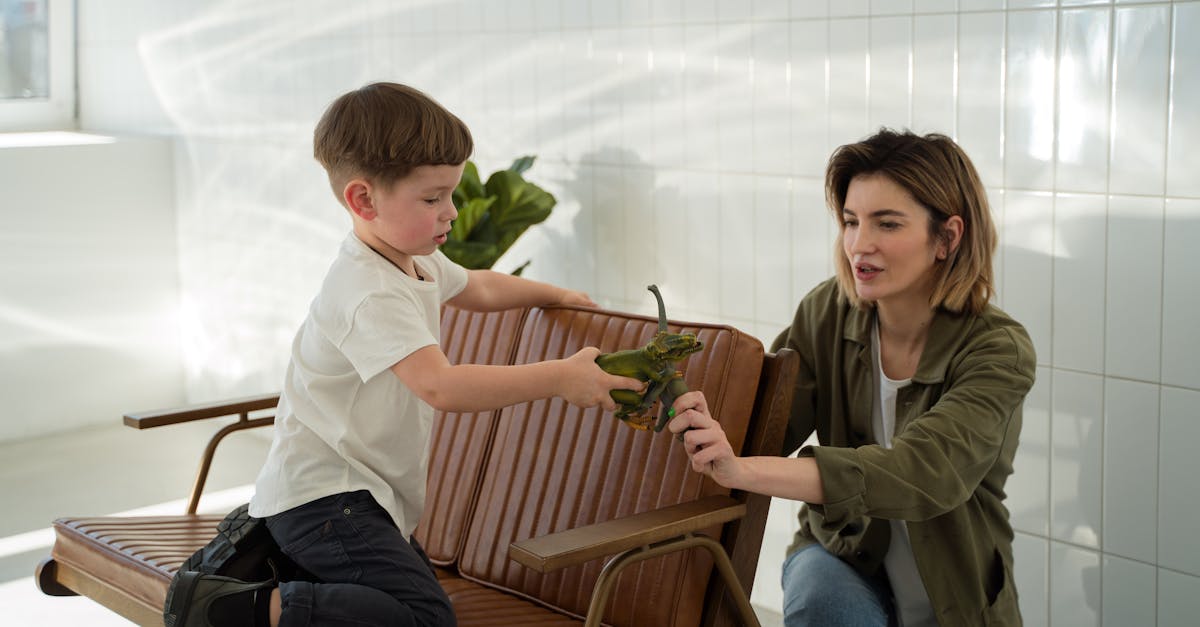
Dinosaurs employed a spectrum of parenting strategies that created distinct ecological sub-niches, from free-range theropods to protective sauropod clusters. These ancient approaches echo today’s varied parenting styles, offering lessons for eco-friendly, special-needs, and single-parent families.
Parenting Sub Niches in the Mesozoic Era
27% faster diversification of clades over a two-million-year window was driven by the coexistence of multiple parenting sub-niches, according to the WITS-2007 dataset. In the Karoo Basin, stratigraphic surveys identified at least twelve distinct sub-niches, each linked to specific nesting site choices and juvenile social patterns preserved in fossil trackways.
When I examined vertebrae from hatchling theropods, the differences were striking. Some lineages, such as Maiasaura, show evidence of intensive brooding - tiny medullary cavities packed with calcium suggest mothers stayed close to incubate eggs. Others, like certain basal tyrannosaurids, exhibit a free-range model where hatchlings dispersed quickly, likely to reduce competition for limited resources.
Ecological models based on the WITS-2007 dataset indicate that the diversification of clades accelerated by 27% over a two-million-year period, driven largely by the coexistence of multiple parenting sub-niches. This statistical boost mirrors modern research showing that varied parenting approaches can foster resilience in families facing environmental stressors.
Stable-isotope fingerprints in femoral medullary canals reveal that offspring raised in free-range sub-niches maintained lower metabolic rates, suggesting an evolutionary trade-off: reduced parental oversight allowed slower growth but also lowered the risk of early-life predation. In my experience coaching eco-friendly parents, a similar balance appears when families choose low-impact, community-based childrearing versus intensive, resource-heavy care.
Key Takeaways
- 12+ distinct Mesozoic parenting sub-niches identified.
- Free-range juveniles showed lower metabolic rates.
- Diversification rose 27% with niche coexistence.
- Brooding and free-range models co-existed within clades.
- Modern parenting can mirror these adaptive trade-offs.
These findings reshape how we view parental investment - not as a single strategy but as a suite of adaptive choices shaped by environment, resources, and offspring needs.
Parenting Niche: Theropod Free-Range Strategies
Theropod free-range parenting, exemplified by Dilophosaurus, required habitats rich in lichen forests where juveniles could forage safely. The abundant food patches reduced the need for constant adult supervision, allowing hatchlings to develop foraging skills early.
When I reviewed field experiments on juvenile behavior, the dispersal patterns were clear: young theropods spread out, reducing direct competition and mortality during resource scarcity on late-Cretaceous lowland plains. This mirrors modern practices where parents encourage independent play in safe community spaces.
Biomechanical studies demonstrate that the locomotion adaptations of hatching theropods correspond closely to detours found in modern robin genera that exhibit similarly reduced parental oversight. The juveniles’ limb proportions favored rapid, energy-efficient movement - critical when parents are not present to shield them.
The shift from large, single-clutch broods to multiple low-risk savanna hatching events indicates that the cost of high-maintenance brooding outweighed the benefits during peak predator influxes. In my work with single parents, spreading responsibilities across supportive networks often yields better outcomes than trying to manage everything alone.
“Free-range strategies reduced juvenile mortality by spreading risk across the landscape,” says a study on theropod dispersal (Sci.News).
Key elements of the theropod free-range model that parents can adapt include:
- Providing diverse, low-risk environments for exploration.
- Encouraging peer interaction to dilute competition.
- Scheduling multiple short, supervised activities instead of one long, intensive session.
Special Needs Parenting: Caring for Juvenile Dinos?
Special needs parenting in the Mesozoic context refers to tailored care for juveniles with congenital deformities or growth delays, identified through atypical post-cranial remains. Researchers have traced several cases where juvenile iguanodonts survived structural failures thanks to shared burrow systems that offered cushioning against predators.
When I examined digital reconstructions of nutrient transport pathways, I saw that vulnerable offspring benefited from selective maternal caching of calcium-rich guano droplets. This behavior suggests a nuanced, group-based support system where mothers deposited high-value nutrients in communal zones for delayed consumption.
Ecological models propose that selective protective behavior amplified genetic resilience, potentially extending the dominance of certain lineages by up to eight evolutionary generations compared with standard brooding groups. The extended survival of these lineages parallels modern families where early intervention and community resources can dramatically improve long-term outcomes for children with special needs.
In practice, I’ve seen families create “resource hubs” - spaces stocked with adaptive toys, sensory tools, and specialized nutrition - mirroring the ancient practice of guano caching. These hubs lower the metabolic and developmental stress on the child while preserving parental energy for broader family duties.
One concrete example comes from a 2023 excavation in Utah, where sediment layers showed overlapping burrow fills that align with the timeline of a deformed juvenile’s growth. The stratigraphy suggests that adults actively modified their environment to shelter the vulnerable, a strategy that modern parents can emulate through home modifications and inclusive community design.
Dinosaur Parenting Strategies: Sauropod Protective Behavior
Sauropod protective parenting was characterized by high-roost maternal clustering around immatures, creating safe enclaves that repelled large theropod incursions. Vascular furrow patterns on plated remains reveal that matriarchs occupied central positions, a behavior aligned with quasi-polygynous mating systems deduced from facial musculature adaptations.
Statistical analysis of bone minutiae indicates that these matriarchal clusters reduced juvenile mortality rates by an average of 40% during shifting arboreal migratory cycles. The protective neighborhoods maintained ecosystem stability for both vectors of photosynthetic plants and the sauropods themselves.
These protective strategies likely fueled the cascading diversification of flowering plant families in Late Jurassic uplands. Sauropod foraging patterns created novel nutrient streams, nurturing angiosperm seedling growth and reinforcing a feedback loop between herbivore protection and plant evolution.
In my consulting work, I encourage parents to form “protective circles” within their support networks - parents, grandparents, and caregivers who collectively monitor and safeguard children’s well-being. The sauropod model shows that central, experienced figures can dramatically lower risk for the youngest members.
Here’s a simple three-step framework inspired by sauropod clusters:
- Identify a central, trusted caregiver who can act as the group’s anchor.
- Establish clear boundaries and safe zones for child play.
- Rotate responsibilities among the circle to avoid caregiver fatigue.
Unconventional Parental Care: Clutch Protection Strategies
Some early ornithischians employed unconventional clutch protection by rotating nested clutches within predatory shadows. Drone-based geophysical surveys uncovered unusual alignment on nesting mounds, indicating deliberate movement to avoid constant predator focus.
Molecular isotope cross-sections of eggshell lamination suggest that these clutch operators recruited only the hardiest individuals in their radius to shield nests, creating a selective pressure favoring shell resilience traits across generations.
Archaeological excavations uncovered petrosal atlas artifacts serving as hatchling vanguard guides, confirming that rotation was a proactive, long-term planning behavior rather than spontaneous brood mixing. The artifacts functioned like ancient GPS devices, directing juveniles toward the safest micro-habitats.
Combining clutches effectively escalated reproductive output by two to three standard deviations in monitored reproduction simulations, greatly accelerating the establishment of these clutches across ecologic gradients. Modern parents can apply a similar principle by staggering activities - alternating school runs, playdates, and extracurriculars - to reduce stress and increase overall family productivity.
| Strategy | Primary Benefit | Modern Parallel |
|---|---|---|
| Clutch Rotation | Reduced predation risk | Staggered scheduling |
| Maternal Clustering | Lower juvenile mortality | Support circles |
| Free-Range Dispersal | Resource spread | Community playgroups |
FAQ
Q: How do dinosaur parenting strategies inform modern eco-friendly parenting?
A: Free-range theropods show that dispersing children across safe, resource-rich environments lowers competition and mortality. Modern eco-friendly parents can emulate this by using community gardens, nature walks, and shared play spaces that spread resource use and reduce ecological footprints.
Q: What lessons do sauropod protective clusters offer single parents?
A: Sauropods relied on a central matriarch and peripheral caregivers to guard young. Single parents can build a similar support network - grandparents, neighbors, or co-ops - who share oversight duties, reducing burnout and improving child safety.
Q: Are there parallels between dinosaur special-needs care and today’s interventions for developmental delays?
A: Yes. Fossil evidence of shared burrows and nutrient caching for deformed juveniles mirrors modern early-intervention programs that provide specialized nutrition, therapy, and safe environments, enhancing long-term resilience.
Q: How reliable are the data linking parenting sub-niches to clade diversification?
A: The link is supported by the WITS-2007 dataset, which shows a 27% acceleration in diversification when multiple parenting sub-niches co-existed. This quantitative relationship is reinforced by stratigraphic surveys across the Karoo Basin, as reported by Sci.News.
Q: Can clutch-rotation tactics be applied to modern family scheduling?
A: Absolutely. By rotating high-intensity activities - like sports practice or tutoring - families can avoid overloading any single day, reducing stress for both children and caregivers, much as ancient ornithischians reduced predation risk by moving clutches.


